Presenters

Aigerim Aliakparova is a Certified medical interpreter, healthcare ethics scholar, and PhD student at Duquesne University. She is a Public Health Researcher and Medical Interpreter with a strong focus on health equity, patient-centered care, and effective health communication. Currently pursuing a PhD in Public Health at Duquesne University, she explores disparities in healthcare access and communication for individuals with limited English proficiency. She is a founder of SPECTRIA LLC—the only nationally recognized interpretation agency specializing in neurodiverse children. She is focused on training medically knowledgeable immigrant professionals and provide culturally responsive services that go beyond translation, supporting equitable and inclusive healthcare experiences. Her academic and professional work is grounded in evidence-based approaches, with a passion for system-level change and advocacy for underrepresented populations. She brings global perspective, interdisciplinary expertise, and a commitment to building bridges between patients, providers, and communities.
Patricia A. Alonzo is a Trilingual Interpreter. Her interpreting experience and background are working with Spanish Limited English individual and the Deaf and Hard of Hearing Community with a focus on the Spanish Deaf Community. She holds a bachelor’s degree from Columbia College Chicago in American Sign Language Interpreting and master’s in education. Her research focuses on LEP health outcomes when using an interpreter. She is currently a Director of Strategic Partnerships at Equiti. Before this she held management positions at Universal Language Operations and AMN Language Services, formerly known as Stratus Video. Her passion is bridging the gap of communication and making sure all individuals have the power and dignity to make good healthcare decisions in their language.
Sara M. Baraldi is a certified medical interpreter with a unique background in educational theater. She is a dynamic and passionate educational professional with experience in educational theatre, multicultural arts, medical interpretation, and mask & puppetry confection and manipulation. She has a strong commitment to teaching and engagement, particularly within diverse communities. She has over 15 years of dedicated experience nurturing and educating children, including those with special needs. She has a unique background, bringing a blend of creativity, empathy, and educational rigor to any position. She is fluent in English & Spanish.
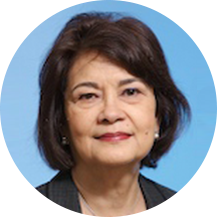
Maria-Paz Beltran Avery, PhD, began working on healthcare interpreting early in 1990, directing a federally funded project to develop a college level certificate program training bilingual adult as healthcare interpreters. Through this project, she collaborated with the Massachusetts Medical Interpreters Association creating the Medical Interpreting Standards of Practice (1995). She joined the NCIHC Standards, Training, and Certification Committee (STC) and contributed to the National Code of Ethics for Interpreters in Health Care, the National Standards of Practice for Interpreters in Health Care and the National Standards for Healthcare Interpreter Training Programs. She was the 2015 NCIHC’s Language Access Champion.
Juliana Cardona Berrio, CHI is a bicultural Spanish–English simultaneous interpreter with 15+ years of experience serving and advocating for the Hispanic community. Nationally certified healthcare interpreter (CHI™), licensed interpreter trainer, and psychology student dedicated to advancing equity, empathy, and culturally responsive care in healthcare and community settings.
Esther Bonin is an international language industry expert with over 20 years of experience. She holds a degree in Translation & Interpreting and an MA in International Relations. Esther has worked on both sides of the Atlantic as a translator & interpreter, university professor, and language access consultant. She managed a team of over 75 interpreters for a large Massachusetts hospital system before joining several language companies in leadership positions. Currently, she’s responsible for Strategic Partnerships at Propio. Esther is passionate about increasing equity through language access, elevating the interpreter profession, and bridging the gap between interpreting programs and language companies.
Luciana Canestrato, MHA, CMI, is the Director of Language Access at Boston Children’s Hospital and a member of the BCH Program for Language Equity, which advances language equity in research, clinical care, and medical education. She also serves on the board of FOCIS (Forum on the Coordinators of Interpreter Services). A medical interpreter by training, Luciana has interpreted in Portuguese and Spanish in hospital settings for several years. She participates in multiple large-scale, institution-wide projects to advance equitable access to care and improve processes. Luciana holds a Master of Healthcare Administration from the Sawyer Business School at Suffolk University.
Nellie O. Cordova is an experienced Medical Interpreter Consultant with a demonstrated history of working in the professional training & coaching industry. She is skilled in Nonprofit Organizations, Conflict Resolution, Youth Leadership, Fundraising, and Healthcare Management. She has held a staff position at Arkansas Children's Hospital Northwest where she helped Spanish peaking patients on a daily basis.
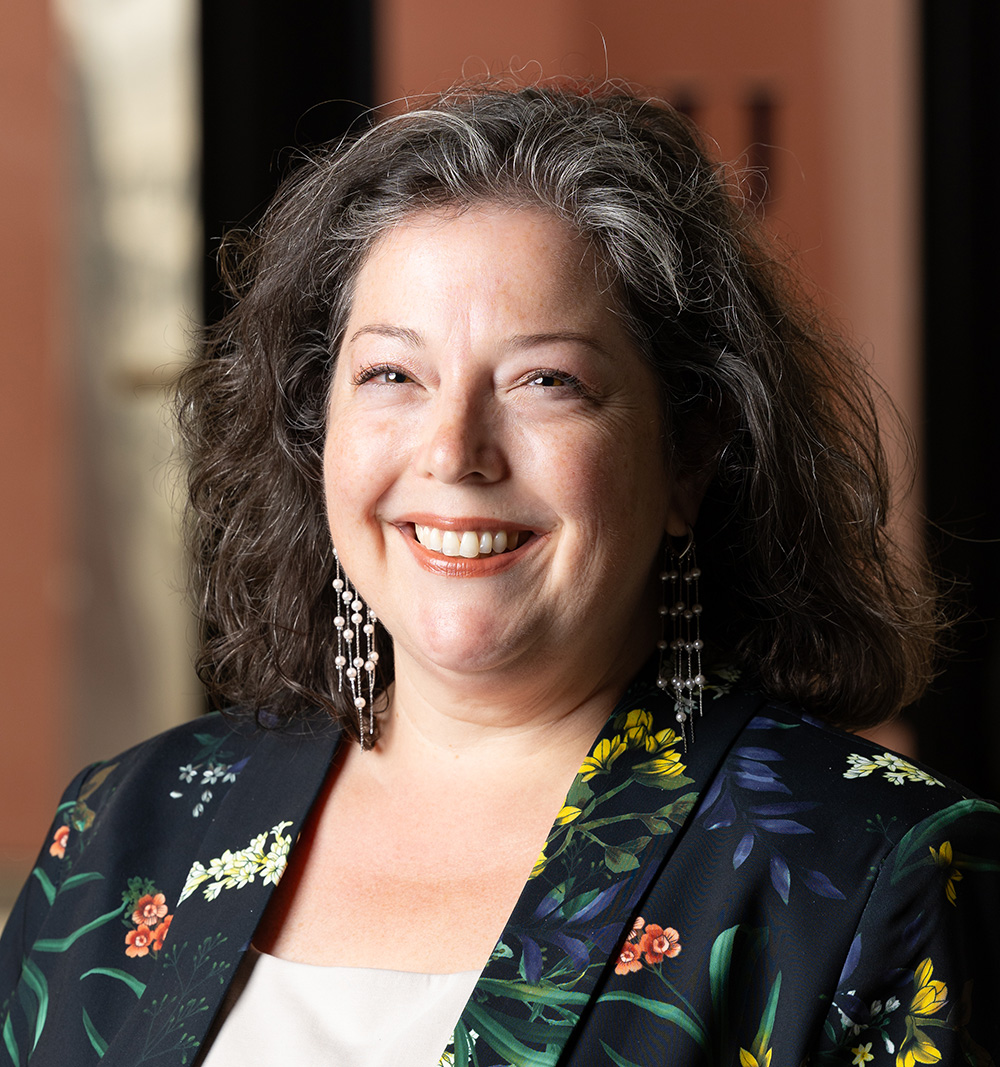
Vonessa Costa is the Operations Manager of Medical Interpretation and Translation at Children's Hospital Colorado and Vice Chair of the Certification Commission for Healthcare Interpreters (CCHI). Previously, she directed language access at Cambridge Health Alliance and led the Cross-Cultural Communication Institute at CCCS, Inc. Vonessa holds a CoreCHI-Performance™ credential, served as secretary of the Forum on the Coordination of Interpreter Services, and participated on the America's Essential Hospitals Education Committee. She graduated from the America's Essential Hospitals Fellows Program and received the 2019 MassAHEC Tony Windsor Award for her advocacy in language access and the professionalization of healthcare interpreters.
Jane Crandall Kontrimas CoreCHI™, M.S. was a Russian Interpreter at Beth Israel Deaconess Medical Center since 1979. In 1985 she cohosted the first interpreter meeting that became the MMIA (Massachusetts Medical Interpreter Association), now called the IMIA. She chaired the MMIA Standards of Practice committee developing “Standards of Practice for Medical Interpreters” @ https://www.imiaweb.org/uploads/pages/102.pdf. She has been interested in ethics and standards ever since and currently chairs the National Standards of Practice Workgroup of the National Council on Interpreting in Healthcare. She received the 2016 Paving the Way Tony Windsor Award.
Silvina de la Iglesia has worked in language access in healthcare in New York for nearly two decades. She is an Adjunct Lecturer at Hunter College (CUNY) teaching Community and Medical Interpreting and serves on the Board of Directors of the National Association of Medical Spanish. She is also an Administrative Coordinator at the Center for Clinician Multilingualism. Silvina holds a BA in Translation and Interpretation from Hunter College and Masters in Medical Translation from Spain. She is an Authorized POLOM Educator recognized for her commitment to facilitating communication between patients and healthcare providers, contributing to improved patient outcomes and culturally responsive care.
Desiree Díaz has focused her career and research on simulation. Her research, which has been widely published and presented, combines the cutting-edge technology of simulation with the deeper human emotion of empathy to train health care providers to more effectively care for vulnerable and underserved patient populations, including correctional health care, Non-English Language Preference (NELP)patients and transgender patients. In addition, she is past President of International Nursing Association of Clinical Simulation and Learning. She is a tri fellow in the Academies of Nursing, Nursing Education, and Society for Simulation in Healthcare. Díaz is a certified nurse educator and one of the first advanced simulation-certified faculty worldwide. In her career, she has been known as a pioneer in healthcare Disparity work in the area of simulation-based education. She has led global groups in clinical and simulated activities in Peru, Bahamas, Cape Town, SA, and Puerto Rico. Dr. Diaz is currently a Professor and Assistant Dean at Vanderbilt School of Nursing.
Rubén Díaz, MAT, CMI-Spanish, is the founder of an interpreter and translation company, TITUS Language and Educational Services. He serves as an adjunct university professor, facilitating study abroad to Spanish-speaking countries, and is a full-time High School Spanish educator. In addition to his degrees, Rubén holds a graduate certificate in Hispanic Serving Healthcare Professionals. He has served as a linguist in the United States Navy for approximately a decade and is also a certified judicial court interpreter. He has over two decades of professional interpreter and translation experience with additional training for private and public hospitals, clinics, and interprofessional education.
Alexandra Dobie, LICSW, APHSW-C, is the Director of Supportive Oncology & Health Equity within the Department of Supportive Oncology at Dana-Farber Cancer Institute. She is also a former palliative care social worker and Psychosocial Services Director at Boston Medical Center.
Alexandra has had the privilege of working within various cultural contexts and internationally, including with Indigenous populations in western Canada and new immigrant populations. She is particularly interested in examining how structural inequities impact access to and delivery of healthcare. Alexandra emphasizes a framework of cultural humility and anti-racism in her clinical work and in facilitating and teaching workshops.
Jillian Droste, is a certified Spanish-English interpreter and translator with an M.A. in Translation and Interpreting from the University of Illinois. As an interpreter, she renders spoken Spanish into English (and vice versa) for a Level 1 Trauma Center. As a translator, she renders written Spanish into English for the medical, marketing, and academic sectors with an increasing focus in medical translation. She is Certified by the National Board of Certification for Medical Interpreters in 2019. She highly values the ongoing professionalization of interpreting services and strives to constantly improve her skills through education and community engagement whenever possible. When not translating or interpreting, she can be found snuggling with her adorable dogs or working in the garden.
Tamas Farkas is a Director of Language Access Programs at Cross Cultural Health Care Program (CCHCP). CCHCP has been engaged in building cultural competence in health care systems since 1992. CCHCP’s primary goal is to improve the health care of communities that face linguistic and cultural barriers. He is also on Board of Directors for International Medical Interpreter Association (IMIA). He has worked with and trained numerous health departments, government agencies, hospitals, language service organizations, universities, and schools on various aspects of medical interpreting and language access. He is a nationally certified medical interpreter, with proficiency in 5 languages. In addition to his native language Hungarian, he holds a bachelor’s degree in modern languages (German and French). After studying in Switzerland, he lived in Puerto Rico and gained Spanish Proficiency. Tamas’ hobbies include creating art, running, and swimming.
Elenor “Ellie” Frechette, MSW, LICSW, APHSW is a graduate of the Harvard Interprofessional Palliative Care Fellowship and earned her Master of Science in Social Work from Columbia University, where she focused her studies on hospice and end-of-life care. On PACT, Ellie specializes in providing bereavement care to parents, caregivers, and siblings who have lost a child with medical complexity. Ellie’s professional interests include enhancing holistic and culturally sensitive bereavement care, including integrating the arts into creative bereavement programming.
Jessica Goldhirsch is a skilled clinician and educator with a seasoned cultural, linguistic, and mental health vision providing psycho-social assessments and targeted interventions with seriously ill patients and their families, as part of a multi-disciplinary palliative care team in an acute care inpatient hospital setting. She is a pioneer in the field of medical interpreting and medical interpreter training, having consistently spoken out about the often-overlooked occupational risk for stress, burnout, and vicarious trauma among health care interpreters. She is also an advocate for the professionalization of medical interpreter training and for rigorous and mentored practicums. She has written and presented nationally on this important concern. Jessica has increased cultural and linguistic access to health care by training hundreds of physicians, managers, nurses, and allied health staff to work more effectively with medical interpreters. Her local, national, and international workshops have covered both the legal and practical aspects of providing cultural and linguistic access to health care by providing continuing education to medical interpreters and translators. She was a groundbreaking health and human sexuality educator of at-risk adolescents and the staff working with them. She developed innovative methods for teaching middle and high school students, juvenile offenders, and both social service and education professionals. As childlife therapist, she created one of the first outdoor pediatric horticulture therapy programs and one of the first inpatient pet therapy programs in the country. Jessica has successfully mediated conflicts between patients and providers, reducing risk and improving patient satisfaction.
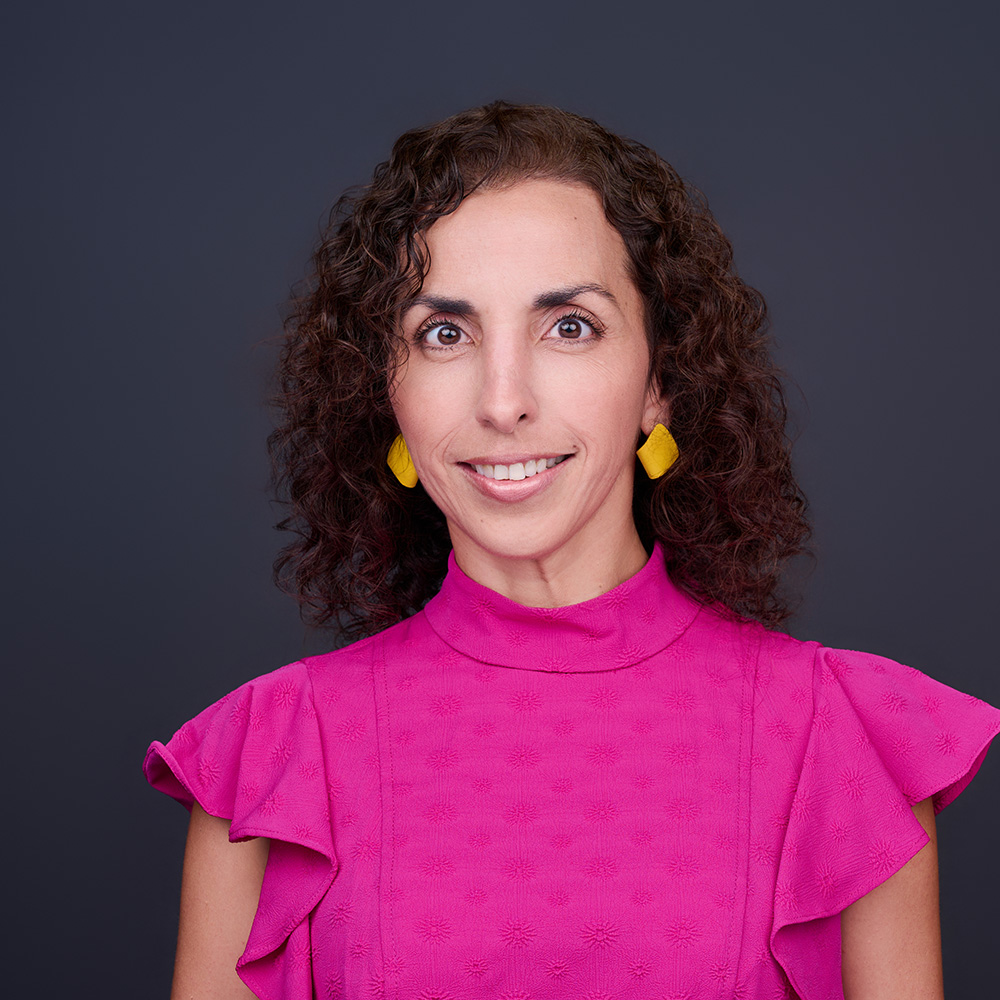
Tatiana González-Cestari, PhD, CHI-Spanish has 23 years of combined experience as a pharmacist, pharmacologist, researcher, professor, manager, and remote interpreter. Tatiana is passionate about quality, research, innovation, compliance, and cultural sensitivity. She serves as the Director of Language Service Advocacy at Equiti where she focuses on hospitals’ language access best practices and impact on quality, compliance, and financial metrics. Tatiana is part of the NCIHC Policy, Education and Research committee; the SAFE AI Taskforce; and co-author of The Remote Interpreter textbook. Tatiana has mentored, developed training, presented at national and international events, published peer-reviewed and non-peer-reviewed articles, and lectured at various universities. Tatiana obtained her pharmacy degree and her Ph.D. in pharmacology from Universidad Central de Venezuela.
Heidi Hobson was born and raised in Guatemala, where she learned English and discovered her love for languages. Heidi began interpreting as a Volunteer for International Medical Mission Campaigns throughout rural areas of Guatemala and El Salvador. Heidi served as a relay medical interpreter for multitudes of Indigenous and Spanish speaking patients for free immunization campaigns, dental, speech therapy, nutrition, and surgical clinics, with experience in a variety of other disciplines and fields. She taught Medical Interpretation focusing on the Ethics and Standards of care, for fellow employees. She is a qualified Court Interpreter for the State of Florida.
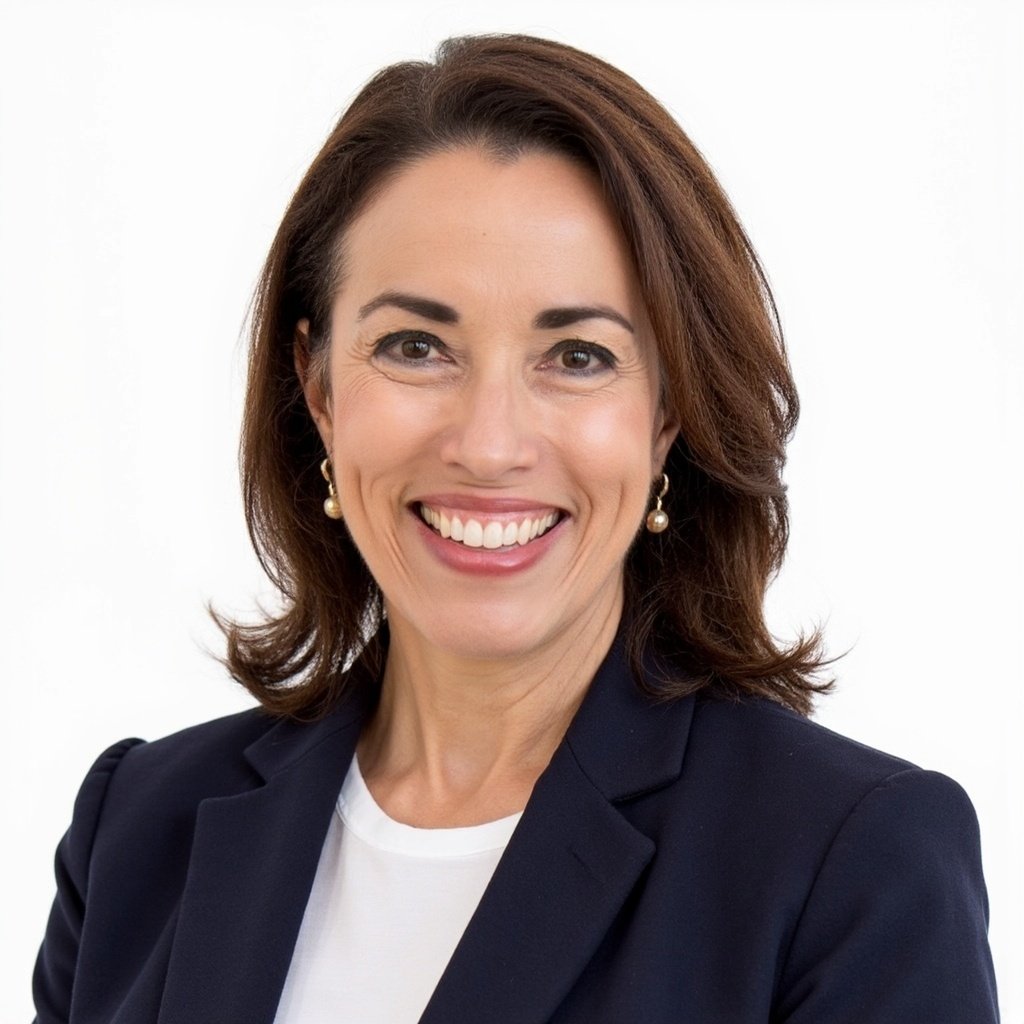
Analía C. Lang, CHI-Spanish, acquired her BA from Indiana University. She has been a healthcare interpreter since 2005. Analia has interpreted in all modalities, face-to-face, VRI, and OPI.
As a trainer, Analía has instructed interpreters for more than 20 years. She has developed webinars, workshops, and training curricula. She has been a presenter at conferences, and she is a contributing author of The Remote Interpreter textbook. She serves as a member of the NCIHC STC and as a co-chair of its NES work group. Presently, Analia is the Manager of Training and Curriculum for Cross-Cultural Communications, LLC.
Debbie Lesser, M.S., CI/CT, QMHI, CoreCHI, HUB-CMI is a Management Adjunct Professor, Public Speaker, American Sign Language Interpreter with expertise in Medical Interpreting, Video Remote Interpreting, and project Management. She learned sign language from the Deaf communities in the New England area and have been a certified sign language interpreter since 1999. She earned a bachelor’s degree in psychology with a focus in crisis intervention from Florida State University and a master’s degree in healthcare interpreting from the Rochester Institute of Technology (RIT) and the National Technical Institute for the Deaf (NTID). She also holds a certification as a Qualified Mental Health Interpreter (QMHI) and is a Supervision Leader with the Interpreting Institute for Reflection-in-Action & Supervision (IIRAS). Much of her training and continuing education in medical environments has been in the areas of oncology, genetics, mental health, and domestic violence. In addition to her graduate degree, she has also completed a 9-month intensive healthcare interpreting program for ASL interpreters (CHI) also at RIT/NTID. She has worked in the video interpreting industry since 2008 and managed interpreters remotely for most of that time. She gained an appreciation for the medical field as an interpreter for and Director of ASL Services with a national company specializing in healthcare interpreting and is currently both a freelance medical interpreter and Director of Language Access Services for a large healthcare system in Atlanta, GA. She is also an adjunct professor in the American Sign Language Interpreter Education (ASLIE) program at RIT. She is deeply grateful for the cultural and linguistic knowledge she has gained from being a part of the Deaf community and continuously strives to improve the standard of medical interpreting services, not only for Deaf and hard-of-hearing patients but also for patients with limited English proficiency. In addition, she is proud to be an adjunct professor in the ASLIE program at NTID/RIT and a volunteer Peer Navigator for FORCE - Facing Our Risk of Cancer Empowered.
Aracely López, CHI™-Spanish, TCII® is a Staff Interpreter at UT Southwestern Medical Center in Dallas, Texas. A former child interpreter and first-generation daughter of immigrants, she brings both lived experience and more than 20 years of professional interpreting practice across government, medical, legal, educational, and community settings. Aracely is licensed to teach, coach, and train interpreters. She is passionate about ethical practice, professional standards, and empowering the next generation of interpreters.
Giselle Lopez-Ingram has worked as an interpreter and translator in New York since 2012. She is a Language Coordinator for two Mount Sinai hospitals and teaches Fundamentals of Medical Interpreting at LaGuardia Community College. Originally from Nicaragua, she holds a degree in Diplomacy and International Relations specializing in International Development Cooperation.
Jonathan Matthew Balisi Manalang, RN, BSN, is a Deaf nurse with diverse clinical experience in acute care settings. He has worked at Loma Linda University Medical Center in the Cardiology Progressive Care Unit and at UCSF Medical Center in the Medical-Surgical Transitional Care and Oncology/Hematology Units. A University of San Francisco graduate, he is pursuing a Master of Science in Nursing in Nursing Administration at San Francisco State University. Jonathan is dedicated to advocating for Deaf and Hard of Hearing patients, ensuring communication access, and promoting inclusivity in healthcare through his work with sign language interpreters.
Shirley X. Moore is a visionary entrepreneur, dynamic speaker, and dedicated advocate for equitable language access and justice. Her passion for breaking down language barriers led her to establish Be Moore Interpreting in 2016, a Latina-owned, boutique language services provider based in Pawtucket, RI. Under her leadership, Be Moore Interpreting has flourished, providing high-quality interpreting and translation services in over 17 languages to a diverse clientele that includes educational institutions, healthcare organizations, and local government agencies. Shirley’s commitment to language equity is evident through her innovative approaches to interpreting and training, and her tireless efforts to advocate for underrepresented communities. Her firm’s success has been recognized through multiple awards, including the Empowered Women Business of the Year Award (2021) and the Providence Business News Business Women Award (2023). Additionally, Be Moore Interpreting is the only Rhode Island-based company licensed to offer the Bridging the Gap 40-hour Medical Interpreter Training, expanding the scope of professional language services and training available in the region. Shirley is also a seasoned trainer and leadership coach who has impacted over 3,000 women globally through entrepreneurial training programs. She is passionate about helping women entrepreneurs identify and harness their strengths to achieve sustainable success. As the Director of Strategic Partnerships and Lead Facilitator at the Mini Kids Entrepreneur Fair of RI, Shirley provides critical support to budding entrepreneurs, advocating for policies that enhance language access and economic empowerment for minority-owned businesses. In addition to her professional achievements, Shirley and her husband Ramel are the pastors of Fortified Life Church in Providence, where they serve their community through ministry and support. Shirley holds a Bachelor’s in Human Services and a Master’s in Organizational Management & Leadership, further underpinning her expertise in community engagement and organizational development. Shirley X. Moore’s unwavering dedication to her craft, her community, and her faith makes her a prominent figure in Rhode Island’s business landscape and a beacon of inspiration for entrepreneurs and leaders nationwide.
Ingrid Palacios has dedicated 15 years to advancing the mission of saving and healing lives through organ and tissue donation. She is the Multicultural Community Outreach Program Manager at New England Donor Services, developing culturally intelligent programs and bilingual education to increase donation access across diverse communities. Ingrid is a founding member of NEDS’ Social Equity Steering Committee and a national leader in DEIB initiatives at AOPO, The Alliance, and AMAT. A graduate of Universidad Central de Venezuela with training from Cornell University, she brings over 20years of multicultural community advocacy and a strong commitment to reducing health disparities.
Leah Palmer has been the English Language Learning Director for Martha’s Vineyard Public Schools (MVYPS) for over 15 years. Previously, Leah was an ESL teacher for Brockton Public Schools and Wellesley Public Schools. She has a Masters of Teaching ESL from Simmons University and a Certificate of Advanced Graduate Studies in Education Leadership from Bridgewater State University. In 2019, she received the Bridgewater Distinguished Graduate Research-Project Award for her research: The Correlation of Massachusetts ESL Teacher Preparation and the ELL Program Ranking. Leah begins her doctorate in Educational Leadership and Policy at Vanderbilt University in the spring of 2025.
Stephanie A. Rodríguez is an Assistant Professor (Department of Spanish and Portuguese Studies), and Director of Lives in Translation (LiT) at Rutgers University in Newark. Rodríguez coordinates community-based initiatives centered on critical civil engagement. She trains translation and interpreting students through experiential learning to prepare for national certifications. Her research on translation and language use ranges from the study of efficacy, quality, and perception of machine translation to the development of translation pedagogy, the study of bilingual language development and language access advocacy. She’s experience as a court interpreter, translator in medical and legal domains, documentary subtitler, and AI translation quality consultant.
Oscar Rojas, CMI-Spanish, CHI™-Spanish is a Seasoned Dual Certified Spanish Medical/ Healthcare Interpreter (CMI/CHI™) with 8 years of experience in healthcare and educational settings. Expertise in providing full-level interpretation and translation services, training entry-level interpreters, and coordinating with third-party language vendors. He holds an Operations Supervisor position at Medical Interpreters at Children’s Hospital Colorado. He also works as a Spanish Translator at Mojave Unified School District.
Cristina Rosario holds a Bachelor of Arts degree in Environmental Science from Universidad de Puerto Rico. She began her career in 2009 as an over-the-phone Spanish interpreter. Initially, she worked as a Customer Service Interpreter for a variety of agencies before moving on to more complex situations, including court hearings and medical evaluations. Cristina joined Martti as a Video Medical Interpreter in 2018, transitioned to being a Quality Assurance Specialist in the Interpreting Quality &Training department, and now serves as the Training Manager at Equiti. Cristina has trained, monitored, and coached remote interpreters across diverse language pairs worldwide.
Matt Salerno is a hearing American Sign Language-English interpreter with experience working with a host of Deaf professionals across various industries. Originally from Long Island and trained upstate in Rochester, New York he has spent most of his career in the San Francisco. Primarily working as an independent contractor, he founded his agency Matches Interpreting and is a co-founder of the Bay Area Independent Interpreter network in an effort to provide reliable, sustainable access services for his colleagues and community. He currently splits his time between the Bay Area and Tokyo.
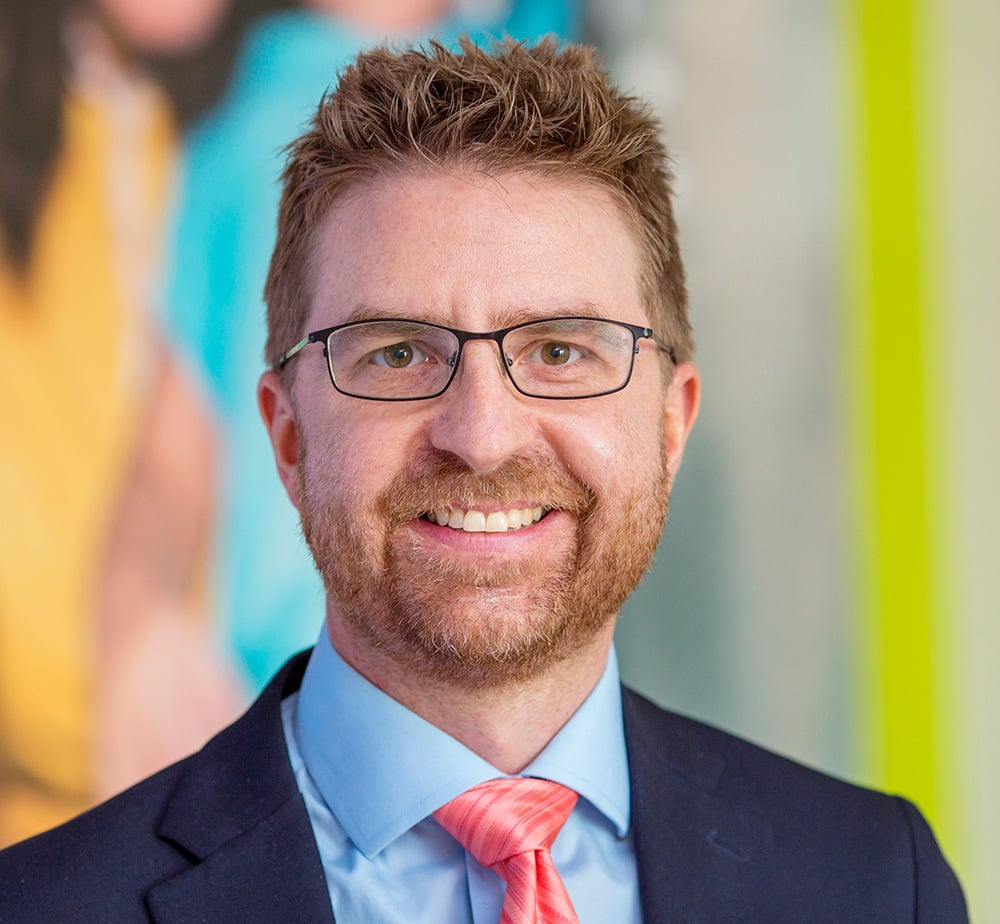
Andy Schwieter leads healthcare language access at Cincinnati Children's and nationally as Vice President of the National Council on Interpreting in Health Care (NCIHC) and Chair of the Policy, Education, and Research Committee.
Since 2006, Andy has practiced Spanish interpretation, certified by the Supreme Court of Ohio and the National Board of Certification for Medical Interpreters. He co-authored research in Hospital Pediatrics on improving care for families using languages other than English.
Andy's leadership combines national policy development with practical implementation, ensuring healthcare interpreting and translation standards evolve to provide excellent care to all patients.
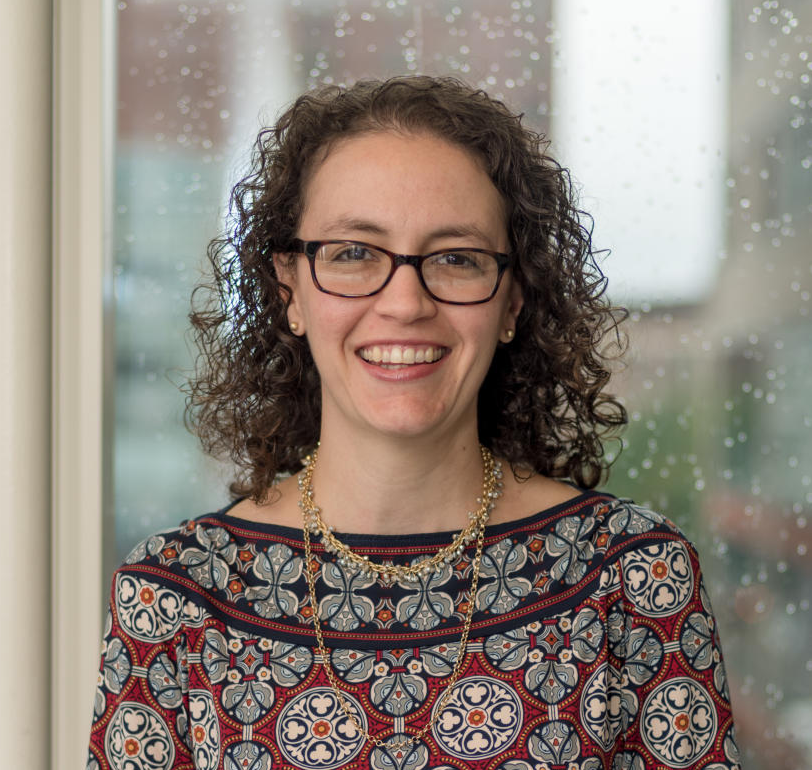
Nina Scott, MSHS, CMI-Spanish is Director of Interpreter Services, Dana-Farber Cancer Institute, an instructor, and language coach for the Massachusetts Medical Interpreting Training Course at UMass Chan Medical School and board member of the Forum on the Coordination of Interpreter Services. Nina was an instructor for the Medical Interpreting Course at Boston University, Coordinator of Interpreter Services at McLean Hospital and as a medical interpreter at UMass Memorial Medical Center and Shriners Hospital for Children-Boston. Nina has a BA in International Cultures and Economics from Bentley College and an MS in Management in Human Services from the University of Massachusetts-Boston.
Melad Soliman, CHI, is an Arabic Medical Interpreter and Translator at Dana-Farber Cancer Institute, where he supports clinical care, patient education, and interdisciplinary communication. He previously served as a medical interpreter at Boston Children’s Hospital, contributing to triage and care coordination. With extensive experience through American Translation Partners and Cross-Cultural Communication Systems, Melad has provided language access across multiple healthcare institutions, including Lahey Clinic, McLean Hospital, Saint Vincent, UMass Memorial, and Boston Medical Center. He is completing his Master of Business Administration with a focus in Management at Fitchburg State University, integrating leadership and healthcare operations into his practice.
Sheryl Taylor, MPH, is a public health professional, consultant, and education administrator. She has 25+years of experience as an equity champion. Much of her work focuses on language access, intra-cultural connection, culturally responsive messaging, engagement, and organizational development. Her clients include health insurance companies, federally qualified community health care centers, hospitals, medical schools, non-profit organizations, and a variety of statewide, regional, and local public health entities.
Through her work, she hopes to inspire more inclusive dialogue that helps people and organizations identify points of connection across the various dimensions of diversity in our world.
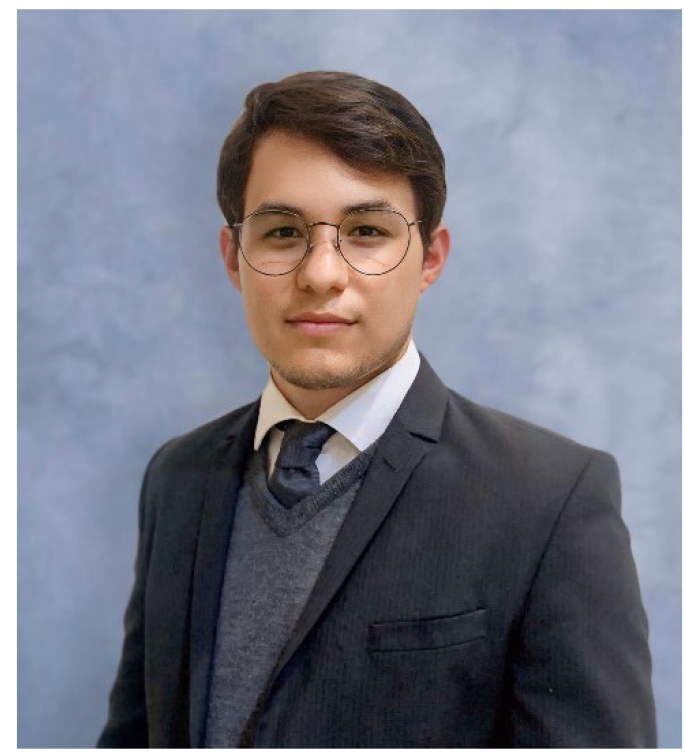
Bernardo Alfredo Valencia, MD, is a medical doctor and medical interpreter currently serving as a Postdoctoral Research Fellow at Beth Israel Deaconess Medical Center in Boston, Massachusetts. Dr. Valencia earned his Doctor of Medicine degree from Universidad Anáhuac in Mérida, Mexico, and completed a Medical Interpreter Training Program at UMass Chan Medical School. With over four years of dedicated experience in hepatology and liver transplantation, he skillfully combines his medical expertise with linguistic and cultural proficiency, facilitating healthcare communication for Spanish-speaking patients.
Lisa K. Walker, MPAS, PA-C, graduated with an AS in Interpreting for the Deaf and worked for several years as a medical interpreter before going on to become a Physician Assistant (PA) and educator, working in family medicine and, for the past 28 years, teaching the next generation of PAs. She has been the founding director of three PA programs including her current role with the developing program at Endicott College. As a long-time advocate of language access, Lisa has designed medical interpreting curricula and presented regionally and nationally on a wide range of topics for interpreters and health professionals.
Allison Wise, MD, is an Attending Physician with the Pediatric Advanced Care Team (PACT) at Boston Children’s Hospital/Dana-Farber Cancer Institute, and in the Pediatric Intermediate Care Unit (PIMCU) at Boston Children’s Hospital. She is an instructor of Pediatrics at Harvard Medical School. One of her passions and areas of academic focus is improving partnership between clinicians and medical interpreters to improve cultural responsiveness and optimize communication with families who speak languages other than English. She is a member of Education subcommittee of the Program for Language Equity at Boston Children’s Hospital, focused on improving provider training in working with medical interpreters.
Alegna Zavatti, CHI-Spanish is the Director of Interpreter Services at Boston Medical Center, where she manages and oversees interpreter and translation operations. She graduated from Universidad Central de Venezuela with a bachelor’s degree in Translation and Conference Interpretation and completed Boston University’s Medical, Legal and Community Interpreting Certificate program. She is a board member of the Forum on the Coordination of Interpreter Services (FOCIS), an organization that aims at creating best practices for interpreter services departments and enhance language access and is a Commissioner with the Certification Commission for Healthcare Interpreters (CCHI).